Need 24/7 Service? Call for Emergency Repairs Call:
Updated: January 19, 2026
Secure Your Castle: 5 Garage Door Safety Tips for Hilliard Homeowners
Secure the garage first: treat it like your front door. Start tonight by checking that your garage door closes and your opener uses rolling-code encryption. Add a smart monitor with alerts, cover the emergency-release, never leave the opener in an unlocked car, and schedule a local security assessment with Hilliard police. These five actions cut opportunistic break-ins dramatically. precisiondoor.net
A simple sequence of upgrades, habits, and a short police walkthrough can reduce most opportunistic garage entries. Follow the five steps below and use the printable checklist tonight.
Quick answer — what Hilliard homeowners must know now
Treat the garage like the front door: confirm your opener uses rolling codes, add a smart monitor, harden physical weak points, change lockup habits, and request a free Hilliard police security assessment. These five actions are practical, low‑cost, and fast to implement.
Why the garage deserves top security attention
Garages store cars, tools, spare keys, and often connect directly into the house. Criminals prefer the easiest path in: national analyses show a substantial share of burglaries involve non‑forced entry — where doors or windows were unlocked or left open — often enabling quick access without breaking doors or windows. Recent industry summaries place non‑forced entries near the 30–40% range of burglaries in recent years. bjs.ojp.gov
How burglars use open or outdated garage doors
Opportunity is the burglar’s friend. An open door or an old fixed‑code remote gives attackers rapid access with little risk. Upgrading to rolling‑code systems stops simple replay/code‑grabbing methods used on legacy openers. precisiondoor.net
Local context: Hilliard resources and police assistance
The Hilliard Division of Police offers free physical security assessments and Block Watch support. Use these local services to document vulnerabilities before hiring vendors.
5 step-by-step garage door safety tips
1) Upgrade to a rolling‑code (code‑hopping) opener — what to ask for, and why
Claim: Rolling‑code openers prevent simple replay and code‑grabbing attacks.
Evidence: Rolling‑code systems change the transmitted code each use; captured signals become useless. Industry door‑opener guides recommend rolling‑code systems as the standard upgrade. precisiondoor.net
Implication: Replace openers that use fixed codes (older remotes) or confirm your existing opener supports rolling‑code (manufacturers call this “Intellicode,” “Security+,” or similar). If your opener is old (1990s–early 2000s), budget for a replacement; it’s a high‑impact security upgrade.
2) Add a smart monitor and camera — and integrate alerts
Claim: Smart monitors offer real‑time status, open‑for‑too‑long alerts, and video evidence.
Evidence: Modern smart garage controllers integrate with cameras and send push alerts (open/close, tamper, or long‑open events). A visible camera deters opportunistic burglars and gives you evidence if something happens. journeymanhq.com
Implication: Choose a solution that logs events, offers two‑factor sign‑in, and supports scheduled/auto‑close timers. Test alerts on your phone; enable cloud or local storage for video.
3) Physical hardening: emergency‑release shield, secondary locks
Claim: The emergency‑release cord and exposed windows are common exploitation points.
Evidence: Security guides recommend shielding the emergency release and adding manual track locks or secondary deadbolts when away for long periods. Frosting garage windows prevents thieves from seeing valuables. garagedoornation.com
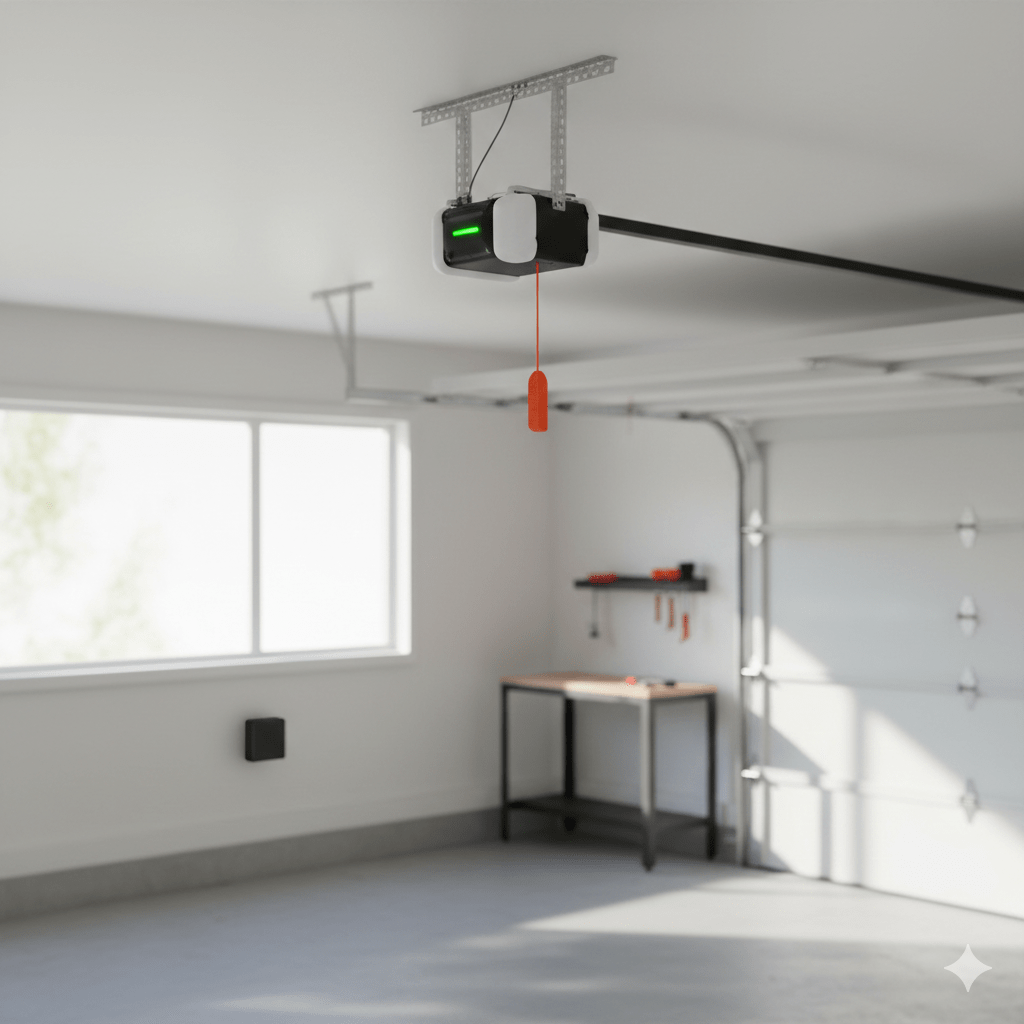
Implication: Install a simple shield for the red emergency cord, add a manual slide lock or track lock for long absences, and apply privacy film to glass panels.
4) Lockdown habits: never leave the door open or the opener in the car
Claim: Open garages and remote openers left in vehicles create immediate, avoidable risk.
Evidence: Police and local safety guides explicitly warn: always close the garage and never carry the opener in an unlocked vehicle. Opportunistic criminals will try car interiors first. traditionsofhilliard.com
Implication: Make three new habits tonight: (a) park, close, then exit the vehicle; (b) remove the remote from the car when it’s unlocked; (c) enable auto‑close timers on smart systems.
5) Test, document, and connect with local police / Block Watch
Claim: Simple tests verify protections and identify overlooked gaps.
Evidence: Hilliard police offer free walk‑through security assessments and Block Watch programs. hilliardohio.gov
Implication: Test your opener, monitor alert delivery, verify camera coverage (day/night), and then request a police assessment. Print the checklist below and make changes within 30 days.
A short checklist you can use tonight (printable)
- Does the door close automatically? Yes / No.
- Is my opener manufacturer model <10 years old? Yes / No.
- Does the opener use rolling code? Yes / No (check manual).
- Is the emergency release shielded? Yes / No.
- Is the opener stored in an unlocked vehicle? Yes / No.
- Do I receive push alerts when door opens? Yes / No.
Cost and next steps for Hilliard homeowners
Rolling‑code opener replacement: typical retail + installation $250–$600 (varies by brand and contractor). Smart monitor + camera bundle: $50–$250 (DIY) or $200–$600 installed with premium camera/cloud. Shield and track locks: usually <$100 parts and DIY install. Free: schedule a Hilliard police security assessment. precisiondoor.net
Sources and verification notes
Primary sources and references used for this article: