Need 24/7 Service? Call for Emergency Repairs Call:
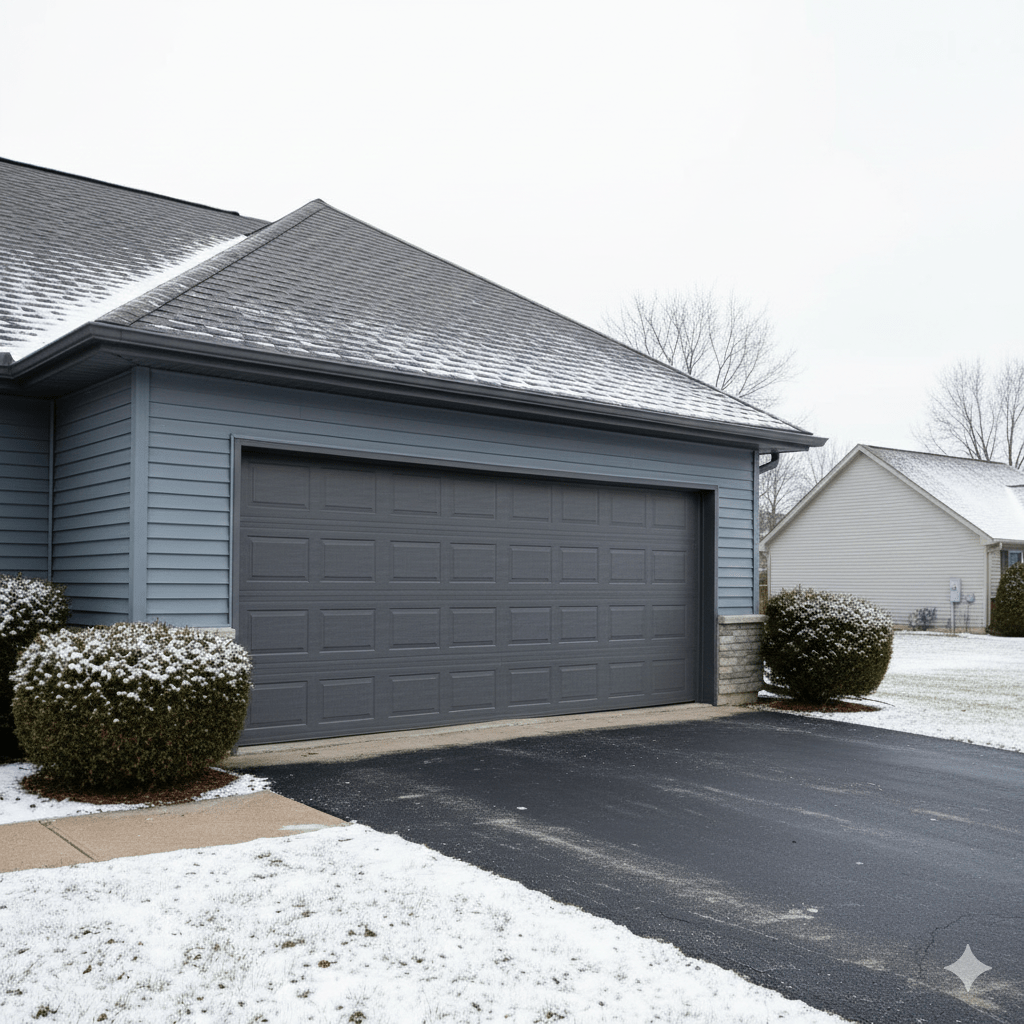
Winterize now by (1) lubricating moving parts with a silicone cold-weather spray, (2) replacing cracked weatherstripping and adding a threshold seal, (3) insulating the door or upgrading to a higher-R panel, (4) testing the opener’s auto-reverse and emergency release, and (5) clearing snow/ice and fixing drainage. These five steps reduce freeze-sticking, reduce strain on springs and openers, and cut drafts. Updated: January 5, 2026. daytondoorsales.com
Five practical, safety-first steps to winterize your Hilliard garage door—insulation, seals, lubricant, emergency tests, and snow management. Follow the numbered procedure and the safety triggers to know when to stop and call a pro.
How do I winterize my garage door for Hilliard winters?
Quick answer
Winterize now by (1) lubricating moving parts with a silicone cold-weather spray, (2) replacing cracked weatherstripping and adding a threshold seal, (3) insulating the door or upgrading to a higher-R panel, (4) testing the opener’s auto-reverse and emergency release, and (5) clearing snow/ice and fixing drainage. These five steps reduce freeze-sticking, reduce strain on springs and openers, and cut drafts. Updated: January 5, 2026. daytondoorsales.com
Why local weather matters (Hilliard context)
Hilliard’s January average low sits around 21 °F. Cold nights and freeze-thaw cycles let accumulated moisture freeze at the door’s base and inside seals. Local climate summaries and industry guidance show Ohio winters routinely drop door hardware into sticky, stiff ranges where ordinary lubricants and worn seals fail. Prepare for roughly a dozen to two dozen inches of seasonal snow in the Columbus/Hilliard area; even a light snowfall can pack, melt in daytime, and refreeze overnight and glue the door shut. See the local climate summary at weather-us.com and regional normals at timeanddate.com.
Step 1 — Use a cold-weather (silicone) lubricant on moving parts
What to lubricate
Silicone sprays and light synthetic lubricants keep rollers, hinges, and springs moving in cold weather. Manufacturer guidance and door-tech advice recommend silicone or PTFE sprays because oil-based greases thicken and gum in low temperatures. See winterizing guidance from DaytonDoorSales and opener manuals at manuals.plus. For brand info, consult your opener maker such as Genie or Chamberlain.
How often and what to avoid
Use a silicone or PTFE spray on rollers (unless you have sealed bearings—then follow the manufacturer guidance), hinges, springs, and pivot points. Do not spray tracks with heavy grease—tracks should be kept clean and free of debris. Reapply at least twice during winter or after heavy storms. Tools: silicone spray, rag, ladder, safety glasses.
Quick how-to:
- Clean visible grime with a dry cloth.
- Spray a short burst on each hinge, roller stem, and spring coil. Wipe excess.
- Operate the door fully to distribute lubricant. Test for smoothness.
Step 2 — Inspect and replace weatherstripping and threshold seals
How to check and quick replacement checklist
Worn seals let cold air and melting water through; seals that trap water freeze and hold the door. Industry sources suggest replacing weatherstripping every 2–5 years depending on wear and climate. Threshold seals add a horizontal barrier that prevents surface water from refreezing under the door. See guidance from The Spruce.
Quick checklist:
- Inspect the bottom sweep for cracks, gaps, or compression.
- Close the door and look for light or drafts at the base; test with a flashlight or thin probe.
- Remove the old strip, clean the contact surface, and install a replacement sweep or threshold per the manufacturer instructions.
Use a rubber or vinyl replacement rated for exterior temperatures. If your driveway drains toward the door, add a threshold strip or channel drain to stop standing water that will later freeze.
Step 3 — Insulate the door and garage to reduce freezing and strain
R-value guidance and installation notes
Insulating the door reduces condensation and temperature swings that cause ice buildup. Insulated doors range from roughly R-3.7 (thin polystyrene panels) to R-16 or R-20 for polyurethane-foam doors. Higher R-values reduce garage heat loss and condensation. See manufacturer guides from Clopay and Wayne Dalton.
How to decide:
- Temporary, low-cost: add rigid foam board or reflective insulation panels to each door panel.
- Permanent: replace the door with a factory-insulated model. If the garage connects to living spaces or contains pipes, choose a higher R-value.
Note: insulation increases door weight—confirm opener spring and motor capacity or have a technician rebalance the door after upgrading.
Step 4 — Test the opener safety systems and the emergency release properly
How to test auto-reverse and emergency release safely
Monthly safety tests prevent accidents and ensure the door will operate if power, ice, or a mechanical issue occurs. Opener manuals (Genie, Chamberlain, etc.) recommend monthly auto-reverse tests and periodic inspection of springs, cables, and force/limit settings. See the opener manuals at manuals.plus and your specific brand resources such as Genie and Chamberlain.
How to test safely:
- Auto-reverse test: place a 2″ x 4″ board flat at the center of the doorway; close the door via the opener. It must reverse on contact.
- Emergency release check: with the door closed, pull the emergency release per your opener manual to verify the carriage disengages; exercise caution—do not use the emergency release to lower a door with broken springs.
- Balance test: disconnect the opener, raise the door halfway; it should stay put. If it moves or falls, call a trained technician.
Safety: Never attempt spring adjustments yourself. If the door fails these tests, stop and call a pro. See safety guidance at manuals.plus.
Step 5 — Keep the door opening area clear of snow/ice and manage drainage
Safe de-icing options and long-term fixes
Even a small ice ridge at the threshold can freeze the bottom seal solid and lock the door. Home-improvement pros recommend clearing snow immediately, avoiding plain sodium chloride on the threshold (it can corrode metal and damage concrete), and using concrete-safe melts or sand for traction. See recommendations at Angi.
Quick tips:
- Sweep or blow snow away from the door after each storm.
- Use calcium-based melts labeled safe for concrete and metal, or use sand/cat litter for traction.
- If water pools, get a professional to regrade the driveway or install a channel drain.
One-page quick checklist
| Task | Time | Difficulty | Tools |
|---|---|---|---|
| 1. Lubricate moving parts | 20–30 min | Low | Silicone spray, rag |
| 2. Replace weatherstripping | 30–60 min | Medium | New sweep, adhesive, utility knife |
| 3. Insulate door | 1–4 hours (DIY) or pro | Medium–High | Insulation kit or new door |
| 4. Test safety & release | 10–20 min | Low | 2×4, manual |
| 5. Clear snow & improve drainage | 10–30 min after storms | Varies | Shovel, broom, concrete-safe melt |
When to call a pro (safety triggers)
- The door fails the auto-reverse test. See opener manuals.
- Broken or frayed springs or cables are visible.
- Door is unbalanced or too heavy after an insulation upgrade.
- Opener stalls repeatedly or motor overheats.
- Any spring or cable repair—call a trained, insured door technician.
Resources & verified references
- Hilliard/Columbus climate summaries and normals: weather-us.com, timeanddate.com.
- Garage door insulation: Clopay, Wayne Dalton.
- Lubrication and winterizing guidance: DaytonDoorSales.
- Opener safety and emergency release manuals (Genie / Chamberlain): manuals.plus, Genie, Chamberlain.
- Weatherstripping and threshold advice: The Spruce.
Micro-story & practical note
Here’s the truth: last winter a Hilliard homeowner replaced a brittle sweep and added a threshold seal on my advice. The door stopped freezing immediately. Small, inexpensive fixes prevent missed work and costly emergency service calls.
Final safety note
Never attempt spring or cable repair yourself. Those components are under extreme tension and require a trained technician. If the door sticks repeatedly in winter, stop forcing it and call a pro.
Would you like a printable one-page PDF checklist (ready to tape inside your garage), or a short SMS-friendly checklist you can save on your phone?